

Finding Problems Before They Cause Failures
Electrical Inspections in St Amant for real estate transactions, pre-renovation assessments, and diagnosing recurring electrical issues
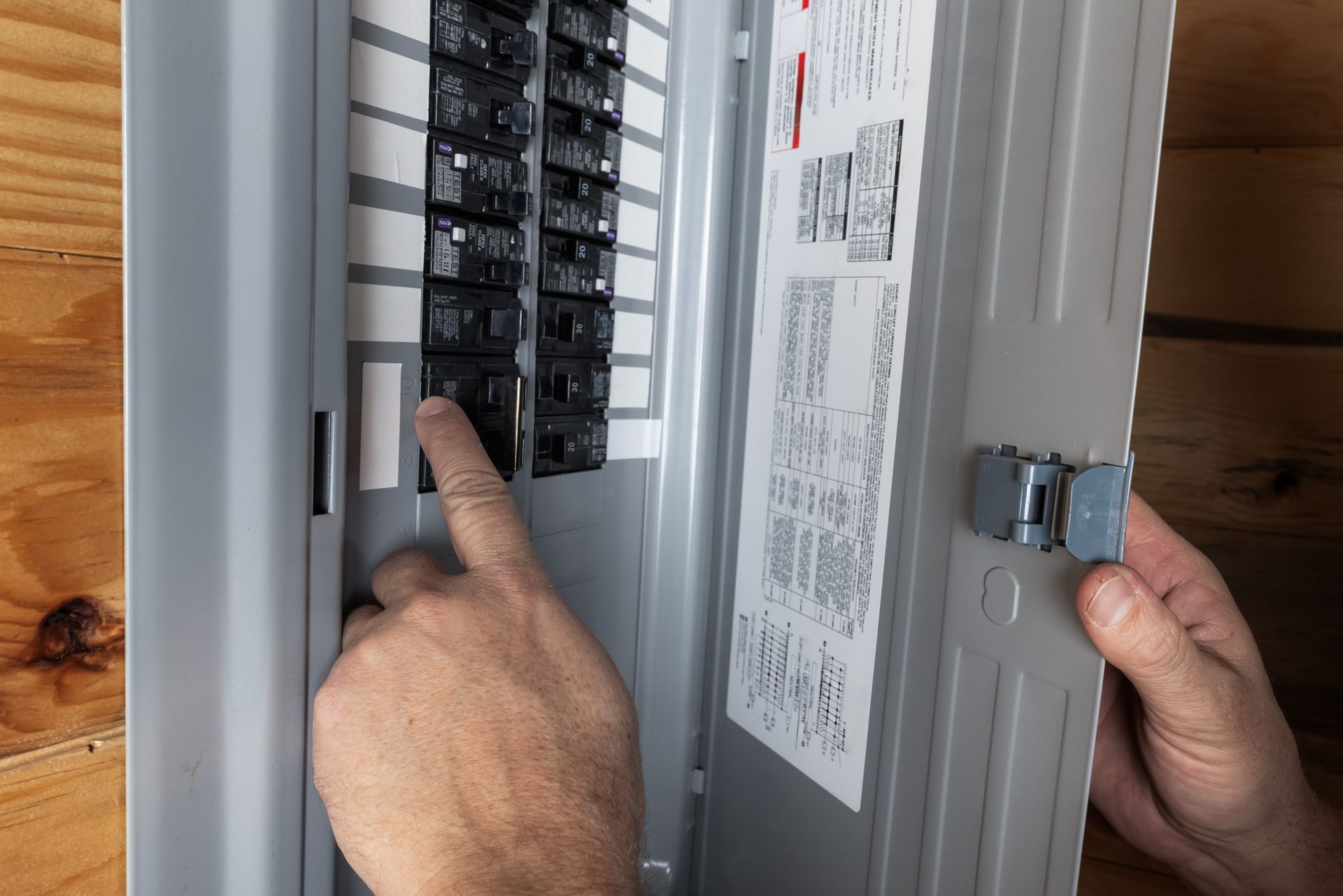
Consistent electrical problems without obvious causes, upcoming real estate closings, and major renovation projects all require electrical inspections to document system condition and identify hazards before they escalate. Murry's AC, Heating, & Electrical performs electrical inspections for residential and commercial customers in St Amant when buyers need pre-purchase assessments, when sellers want to address issues before listing, or when property owners experience frequent breaker trips and need to isolate the root cause. Inspections also happen before additions or remodels to verify that the existing system can support added loads.
An electrical inspection involves testing voltage at the panel and key outlets, checking grounding and bonding connections, inspecting panel condition for signs of overheating or corrosion, verifying wire sizing against breaker ratings, and testing GFCI and AFCI devices for proper operation. The inspector looks for code violations, outdated components, and conditions that create shock or fire hazards, such as overloaded circuits, improper splices, and missing junction box covers.
Schedule an inspection to document your system's condition before finalizing a property purchase or starting a renovation.
After the inspection, you receive a written report listing all deficiencies found, categorized by severity. Critical issues—such as exposed live wiring, panels with active arcing, or missing grounding—are flagged for immediate correction. Secondary issues, like outdated outlet types or inadequate circuit capacity for planned loads, are noted as items to address during future upgrades. The report includes photos of problem areas and references specific code sections that apply.
If the inspection was part of a real estate transaction, the findings provide a basis for negotiating repairs or price adjustments. If the goal was to diagnose recurring problems, the inspection identifies which circuits, devices, or panel components are failing and what corrective work will resolve the issues. You'll know whether problems are isolated to a single circuit or indicate system-wide deficiencies that require broader intervention.
Inspections for renovation projects confirm whether the existing panel has capacity for added circuits, whether the grounding system meets current standards, and whether the service entrance can handle increased loads. This information allows contractors to plan upgrades before walls are closed and finishes are installed, avoiding costly rework later in the project.
What You Notice Once the Inspection Is Finished
Questions Before Starting Your Project
Electrical inspections answer specific questions about system safety, capacity, and compliance that affect property transactions and renovation planning.
What does an electrical inspection include that a home inspection does not?
A licensed electrician performing an electrical inspection removes panel covers to inspect bus bars, breaker connections, and wire entry points, tests voltage under load, verifies proper operation of safety devices, and checks wire sizing and grounding throughout the system. General home inspectors typically perform visual checks without removing covers or using specialized test equipment.
How do inspections identify hidden problems inside walls?
Inspectors use thermal imaging cameras to detect hot spots that indicate loose connections or overloaded wires, and they test circuits under load to see if voltage drops or breakers trip. Inspection findings often lead to opening walls at specific locations where thermal signatures or voltage irregularities suggest wiring failures.
Why do older St Amant homes frequently show grounding deficiencies during inspections?
Many homes built before the 1970s lack equipment grounding conductors in branch circuits, and some properties have grounding electrodes that were never properly bonded to the panel. Humid soil conditions in the region can also corrode grounding rods, reducing their effectiveness over time.
What happens if the inspection reveals code violations?
The inspector documents violations in the report, and the property owner decides whether to address them immediately or plan corrections for a future project. In real estate transactions, buyers often require that critical violations be corrected before closing. During renovations, any new work must bring affected circuits up to current code, even if the rest of the system remains unchanged.
How long does an electrical inspection take?
A thorough inspection of a typical single-family home takes two to three hours, depending on property size and system complexity. Commercial properties or homes with multiple subpanels require additional time to test all circuits and document findings.
Murry's AC, Heating, & Electrical provides detailed inspection reports with findings prioritized by urgency and includes cost estimates for recommended corrections. Arrange an evaluation if you're buying property, planning a renovation, or need to identify the source of ongoing electrical issues.