

Wiring Built to Current Safety Standards
Whole Home Rewiring in St Amant for properties with outdated electrical infrastructure that no longer meets code or supports modern load requirements
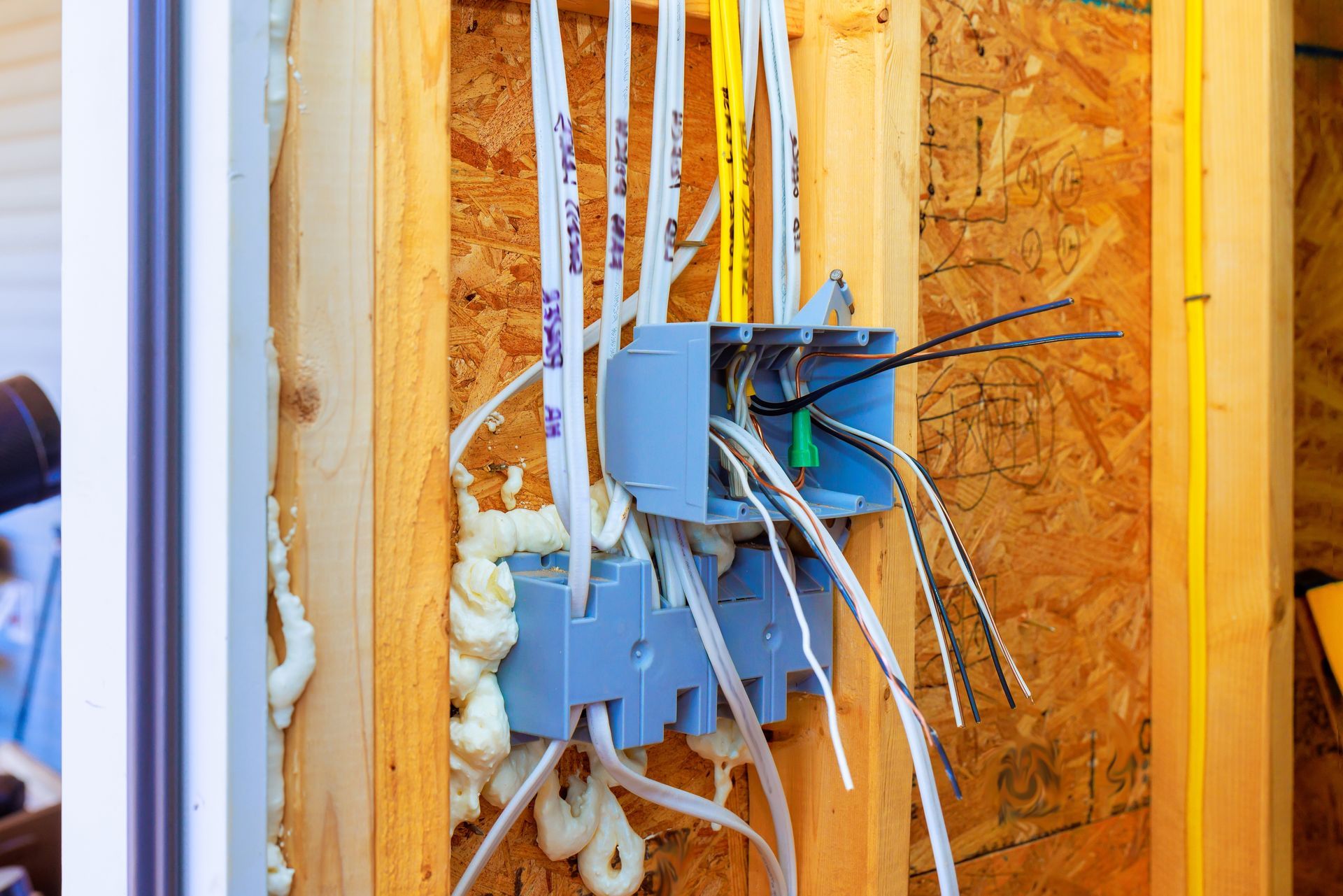
Older properties in St Amant often operate on electrical systems installed decades ago, using wiring types and methods that no longer comply with current safety codes. Murry's AC, Heating, & Electrical rewires homes and commercial properties when the existing system uses aluminum wiring, knob-and-tube wiring, or cloth-insulated conductors that have deteriorated to the point where insulation crumbles when touched. Rewiring becomes necessary during major renovations, when insurance companies flag outdated wiring as a coverage issue, or when electrical inspections reveal that the system can't safely support added circuits.
Rewiring involves running new copper conductors from the panel to every outlet, switch, and fixture in the building. This requires opening walls to access old wire runs, pulling new cable through studs and joists, installing updated junction boxes where needed, and connecting everything to a new or upgraded panel. The process addresses not just the wire itself but also grounding systems, which were often omitted or improperly installed in homes built before grounding became standard practice.
Arrange an on-site consultation to review the condition of your current wiring and determine what sections require replacement.
Complete rewiring replaces every section of wire that runs from the panel to end-use devices, not just the most visibly damaged sections. This includes branch circuits for lighting and outlets, dedicated circuits for large appliances, and feeder wires that supply subpanels if the property uses them. Modern rewiring uses copper wire sized according to load, with 12-gauge wire for 20-amp circuits and 14-gauge for 15-amp circuits. All connections happen inside accessible junction boxes with secured covers, and wiring is stapled to framing members at code-specified intervals to prevent movement.
After rewiring is complete, you'll notice that outlets accept three-prong grounded plugs, that switches and fixtures operate without flickering or intermittent contact, and that breakers trip predictably when circuits are overloaded rather than failing silently. The new wiring removes fire hazards associated with overheating connections, inadequate wire sizing, and insulation breakdown that exposes bare conductors.
Rewiring projects typically involve multiple inspections at rough-in and final stages, and the work must be completed by licensed electricians to meet code and insurance requirements. If the property is occupied during the work, sections are rewired in phases so that some circuits remain energized while others are being replaced. This extends the project timeline but allows residents or tenants to stay in place.
What Proper Rewiring Requires
Answers to Frequent Service Questions
Rewiring decisions depend on the extent of the existing system's deterioration and what upgrades are planned for the property.
What are the signs that a property needs complete rewiring rather than targeted repairs?
Indicators include wiring with fabric or rubber insulation that crumbles when handled, aluminum wiring with frequent connection failures, lack of grounding throughout the system, or breaker panels that can't accommodate modern circuit loads. If more than half the circuits show problems, rewiring the entire system costs less than addressing failures one at a time.
How does rewiring work in a finished property without destroying all the walls?
Electricians use existing wire paths where possible, fishing new cable through walls from attic and crawlspace access points. Strategic openings are made at outlet and switch locations, and drywall is patched after wiring is complete. Some wall damage is unavoidable, especially where wire runs cross fire blocking or where old wiring was surface-mounted and new wiring will be concealed.
Why do older homes in St Amant often lack proper grounding?
Grounding requirements were added to electrical codes in phases starting in the 1960s, so homes built before that period typically have two-wire systems with no equipment grounding conductor. Rewiring adds a grounding wire to every circuit, which protects against shock hazards and allows modern GFCI and AFCI breakers to function correctly.
What's the difference between copper and aluminum wiring in terms of safety?
Aluminum wiring expands and contracts more than copper under thermal cycling, which loosens connections at outlets and breakers over time. Loose connections increase resistance, generate heat, and create fire risks. Copper wiring maintains stable connections and is now the standard for residential branch circuits.
How long does a whole-home rewiring project typically take?
Timelines depend on property size and whether the building is occupied. An unoccupied 1,500-square-foot home can be rewired in one to two weeks, while occupied properties or larger buildings take three to four weeks when work is phased to maintain partial power throughout the project.
Murry's AC, Heating, & Electrical manages permitting, inspections, and coordination with other trades if rewiring happens during a broader renovation. Request a property evaluation to determine the scope of work required for your electrical system.